
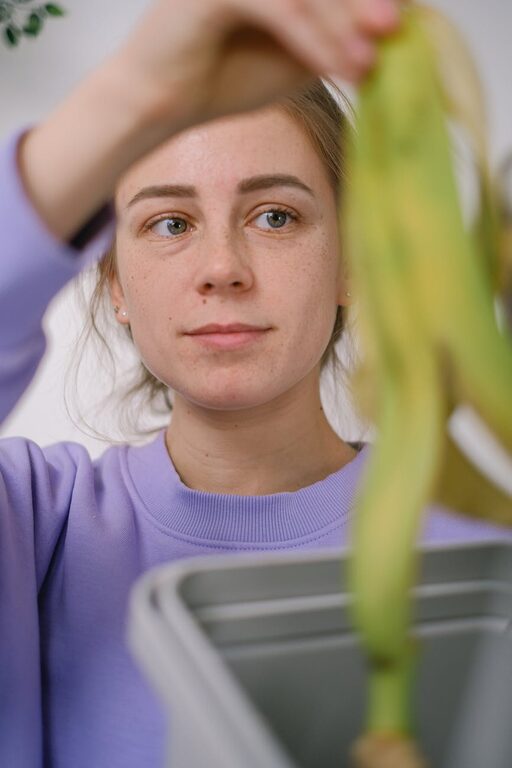
Composting is a fantastic way to reduce household waste, enrich your garden soil, and contribute to a healthier environment. If you’re new to composting, starting at home might seem intimidating. However, with a few simple tips and some patience, you can successfully create your own nutrient-rich compost. In this guide, we’ll take you through beginner-friendly advice to start composting effectively.
What is Composting?
Composting is the natural process of recycling organic material like food scraps and garden waste into a rich soil amendment known as compost. This dark, crumbly substance improves soil health by adding nutrients and helping retain moisture.
Why Compost at Home?
– Reduces landfill waste: Composting diverts organic waste from landfills, where it produces harmful methane gas.
– Improves soil: Compost enriches garden soil, promotes healthy plant growth, and reduces the need for chemical fertilizers.
– Saves money: By making your own compost, you save on buying soil conditioners or fertilizers.
– Supports sustainability: Composting is an eco-friendly practice that helps reduce your carbon footprint.
Getting Started: What You’ll Need
– A compost bin or pile: You can buy a compost bin or create a simple compost pile in your backyard.
– Organic materials: These include kitchen scraps and garden waste.
– Space: An outdoor spot that’s dry, shaded, and well-drained works best.
Choosing a Compost Bin
For beginners, enclosed bins are great as they keep pests out and retain moisture. You can find plastic or wooden compost bins, or even choose tumblers for easier turning.
What Can You Compost?
Understanding what goes into your compost is key to success. Materials are often categorized as “greens” and “browns.”
Greens (Nitrogen-rich materials)
– Fruit and vegetable scraps
– Coffee grounds and filters
– Fresh grass clippings
– Tea bags (without synthetic materials)
Browns (Carbon-rich materials)
– Dry leaves
– Straw or hay
– Shredded newspaper or cardboard
– Small branches or twigs
Avoid Composting These:
– Meat, dairy, and oily foods (attract pests)
– Diseased plants
– Pet waste
– Synthetic materials or plastics
Step-by-Step Composting Process
1. Choose Your Location
Pick a spot that’s convenient but not too close to your home to avoid odors. It should get some sunlight and have good drainage.
2. Layer Your Materials
Start with a base of coarse browns like twigs to help air circulation. Alternate layers of greens and browns—about 2-3 inches of each. Aim for a ratio of roughly 2 parts browns to 1 part greens to balance moisture and nitrogen.
3. Add Water
Moisture is vital for the decomposition process. Your pile should be as damp as a wrung-out sponge. Too dry, and decomposition slows; too wet, and it can smell bad. Add water as needed.
4. Turn the Pile Regularly
To speed up composting and prevent odor, turn the pile every 1-2 weeks with a pitchfork or shovel. This adds oxygen and mixes materials.
5. Monitor and Wait
Decomposition takes anywhere from 2 months to 1 year, depending on conditions. Watch for a dark, crumbly texture and earthy smell to know your compost is ready.
Troubleshooting Common Problems
– Foul odor: Usually due to too much moisture or too many greens. Add more browns and turn the pile.
– Slow decomposition: Could be too dry, too cold, or lacking nitrogen. Water and add green materials.
– Pests: Avoid adding meat/dairy. Use a closed bin or cover scraps with browns.
Using Your Compost
When your compost is ready, use it in these ways:
– Mix into garden beds to improve soil quality.
– Use as mulch around plants to retain moisture.
– Blend into potting soil for container plants.
– Top dress lawns to promote healthy growth.
Final Tips for Successful Home Composting
– Chop or shred materials to speed up breakdown.
– Keep a kitchen container handy to collect daily scraps.
– Be patient—good compost takes time.
– Learn and adapt—each compost pile is unique.
Conclusion
Composting at home is a rewarding and environmentally friendly hobby that anyone can start. By following these beginner tips, you’ll be well on your way to turning waste into valuable garden gold. Happy composting!