
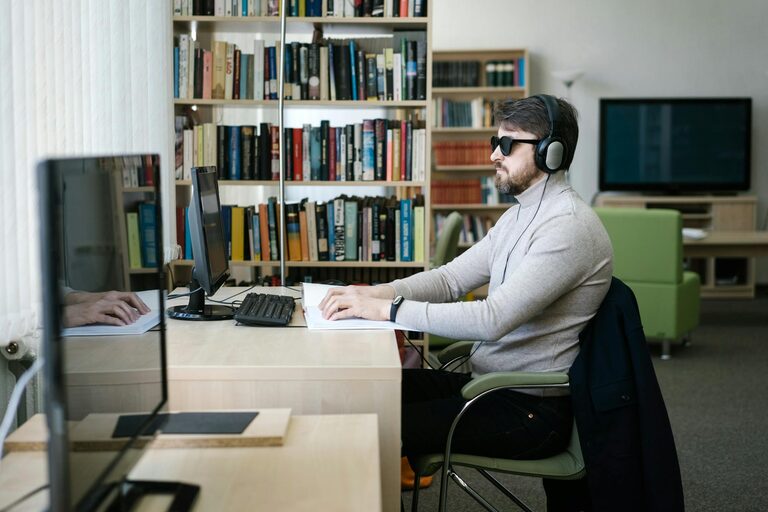
Spending hours in front of a computer, smartphone, or tablet is a daily routine for many. Whether for work, study, or entertainment, extended screen time can cause discomfort and negatively impact your eye health. Fortunately, there are simple and effective ways to protect your eyes and make screen use more comfortable. In this post, we’ll explore practical tips to reduce eye strain and maintain good eye health during screen time.
Understanding Eye Strain and Screen Use
Digital eye strain, also known as computer vision syndrome, refers to the discomfort and vision problems caused by prolonged use of digital devices. Symptoms can include dry eyes, headaches, blurred vision, and neck or shoulder pain. These issues arise because screens can cause you to blink less and may expose your eyes to harsh light or glare.
Taking care of your eyes when using screens is essential for comfort and long-term health. Let’s look at how you can achieve this.
1. Follow the 20-20-20 Rule
One of the easiest and most effective strategies to reduce eye strain is the 20-20-20 rule:
– Every 20 minutes, take a 20-second break
– Look at something 20 feet away
This short exercise gives your eye muscles a chance to relax and helps prevent fatigue from focusing too long on close objects. Setting a timer or using apps that remind you can make it easier to stick to this habit.
2. Adjust Your Screen Settings
Improving your screen’s appearance can greatly reduce eye fatigue. Consider these adjustments:
– Brightness: Match your screen brightness to the lighting around you — not too bright or too dim.
– Text size and contrast: Increase text size and choose high-contrast color schemes for easier reading.
– Blue light filters: Many devices have settings or apps that reduce blue light emission, which can help minimize eye strain, especially in the evening.
– Refresh rate: If possible, use a screen with a higher refresh rate to reduce flickering.
Experiment with these options to find what’s most comfortable for your eyes.
3. Optimize Your Workspace Lighting
Lighting plays a crucial role in how your eyes feel during screen time.
– Avoid glare: Position your screen to avoid reflections from windows or overhead lights.
– Use soft lighting: A desk lamp with adjustable brightness and warm color temperature can reduce contrast between your screen and surroundings.
– Control natural light: Use blinds or curtains to manage sunlight, especially during peak daylight hours.
Good lighting reduces eye strain by preventing excessive contrast and harsh reflections.
4. Maintain Proper Screen Distance and Position
How you position your screen affects eye comfort.
– Place your screen about an arm’s length (20-30 inches) from your eyes.
– The top of your screen should be at or slightly below eye level.
– Tilt the screen slightly upward.
– Sit up straight, with your back supported and feet flat on the ground.
This setup helps reduce strain on your eyes, neck, and shoulders.
5. Keep Your Eyes Moisturized
Staring at screens often reduces blinking frequency, leading to dry eyes.
– Make a conscious effort to blink more often.
– Use lubricating eye drops if you experience dryness.
– Blink fully to cover your eyeball and spread tears evenly.
– Consider using a humidifier in dry environments.
Regular blinking and moisture help maintain eye comfort and health.
6. Take Regular Breaks from Screens
Beyond the 20-20-20 rule, it’s important to take longer breaks during your day.
– Stand up and move around every hour.
– Rest your eyes by closing them for a few moments or looking out a window at distant objects.
– Try to limit non-essential screen time in the evening to allow your eyes to recover.
Frequent breaks reduce fatigue and support overall well-being.
7. Maintain a Healthy Lifestyle for Your Eyes
General health habits also impact eye health.
– Eat a balanced diet rich in leafy greens, fruits, and omega-3 fatty acids.
– Stay hydrated by drinking plenty of water.
– Get enough sleep to allow your eyes to rest and repair.
– Avoid smoking, which increases the risk of eye diseases over time.
– Schedule regular eye exams to monitor your vision and catch any issues early.
Good lifestyle choices complement protective measures taken during screen use.
Conclusion
Taking care of your eyes during screen time is a matter of forming simple habits and making a few adjustments to your environment. Following the 20-20-20 rule, optimizing your screen settings and workspace, keeping your eyes moisturized, and maintaining a healthy lifestyle all contribute to reducing eye strain and protecting your vision.
By being mindful and proactive, you can enjoy the benefits of digital devices while keeping your eyes comfortable and healthy for years to come. Start implementing these tips today and notice the difference in how your eyes feel after screen use!